
Dental Implants 101: What Patients Should Know Before Treatment

Updated: Apr 23, 2025
Dental implants are one of the most reliable solutions for missing teeth. Here, I break down the entire process—from consultation to final restoration—to help patients feel informed and confident.
What Are Dental Implants?
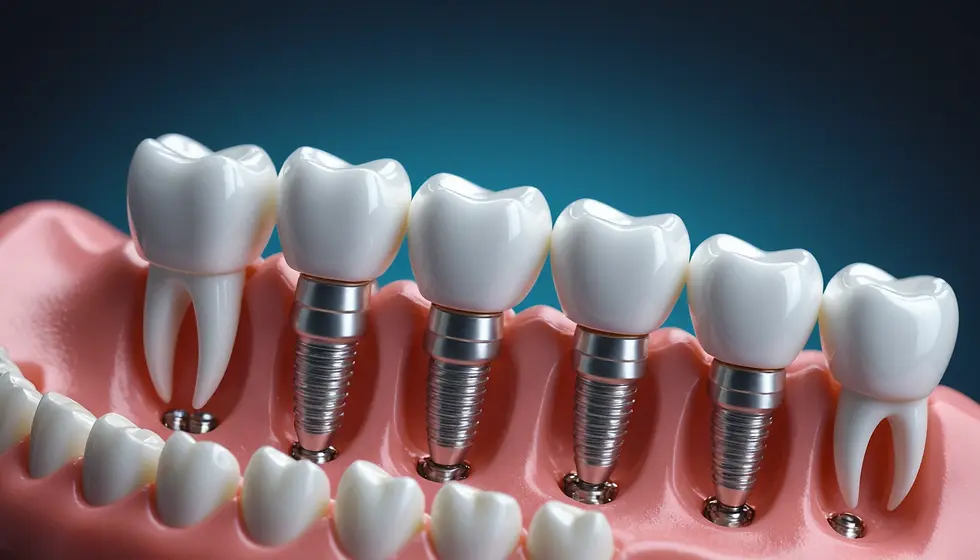
Dental implants are titanium posts surgically inserted into the jawbone to act as artificial tooth roots. After a healing period, these implants serve as stable bases for various dental restorations like crowns, bridges, or even dentures. One of the key benefits of dental implants is that they help maintain jawbone density, which can be compromised when teeth are missing.
Advantages of Dental Implants
Natural Appearance: Dental implants closely resemble your natural teeth, both in color and shape. A study found that over 90% of patients felt implants improved their smile aesthetics.
Durability: Designed to last, dental implants can remain functional for over 10 to 20 years with proper care. In fact, 95% of implants can last a lifetime, making them a cost-effective alternative over time.
Bone Preservation: Unlike traditional dentures that may lead to further bone loss, implants stimulate the jawbone. About 25% of bone mass can be lost within the first year of losing a tooth, that is why maintaining bone density is crucial.
Improved Functionality: Dental implants enhance chewing and speaking abilities. Many patients report eating the foods they love without the anxiety of slipping dentures, enhancing their overall quality of life.
Confidence Boost: The stability and appearance of dental implants can significantly boost a patient’s self-esteem. Studies show that over 80% of patients feel more confident after undergoing implant treatment.
Who Can Get Dental Implants?
Not everyone is a suitable candidate for dental implants. Important factors include:
Oral Health: Candidates must have healthy gums and no untreated dental issues, such as cavities or gum disease. It is essential to address any underlying oral health problems.
Bone Density: Adequate bone mass is crucial. If not enough bone is present, procedures like bone grafting may be necessary to ensure stability. Research indicates that up to 10% of adults might require bone grafting based on their jaw structure.
Overall Health: Certain health conditions, including uncontrolled diabetes or those undergoing treatments like radiation therapy, may affect healing. Consult your healthcare provider to assess individual risks.
The Dental Implant Process
The dental implant procedure usually unfolds over several months through these main steps:
Initial Consultation: Your dentist will conduct an assessment of your oral health. X-rays or 3D imaging may be used to create a personalized treatment plan.
Implant Placement: Under local anesthesia, the titanium post is placed into the jawbone. If necessary, bone grafting will be performed during this step.
Healing Phase: During osseointegration, the bone grows around the implant. This healing stage typically takes 3 to 6 months, depending on individual factors.
Abutment Placement: After the healing phase, an abutment is added to connect the implant with the crown, which may require a short recovery period.
Crown Placement: Finally, a custom-made crown is affixed to the abutment, completing the implant process.
Possible Risks and Complications
Dental implant surgery, like any medical procedure, carries risks, including:
Infection: While rare, infections can occur at the implant site, necessitating prompt treatment to avoid complications.
Nerve Damage: Misplacement can lead to nerve damage, causing numbness or chronic pain.
Sinus Issues: Implants in the upper jaw can sometimes protrude into the sinus cavity, potentially leading to infections or discomfort.
Discussing these risks and following pre- and post-operative instructions can help minimize potential complications.
Post-Operative Care for Dental Implants
To ensure the long-term success of your dental implants, proper care is essential. Consider these key recommendations:
Oral Hygiene: Regular brushing, flossing, and using an antibacterial mouthwash can prevent infections.
Regular Check-ups: Schedule dental appointments every six months for cleaning and check-ups to monitor your oral health.
Avoid Smoking: Research indicates that smokers are twice as likely to experience implant failure, so quitting can significantly improve healing.
Diet Choices: During the initial healing stage, avoid hard or sticky foods to protect your implants.
By adhering to these aftercare guidelines, you can help ensure the longevity and success of your dental implants.
Final Thoughts
Dental implants provide a modern and effective solution for people with missing teeth, combining functionality and aesthetic appeal. However, understanding the procedure, associated risks, and aftercare is critical for achieving a successful outcome. Potential patients should engage in open discussions with their dentist to assess whether they are good candidates and to clarify any concerns. When approached with thorough preparation, dental implants can help individuals reclaim their smiles and improve their quality of life.
Feel free to consult with your dental professional to explore if dental implants are the right path for you.

Comments